

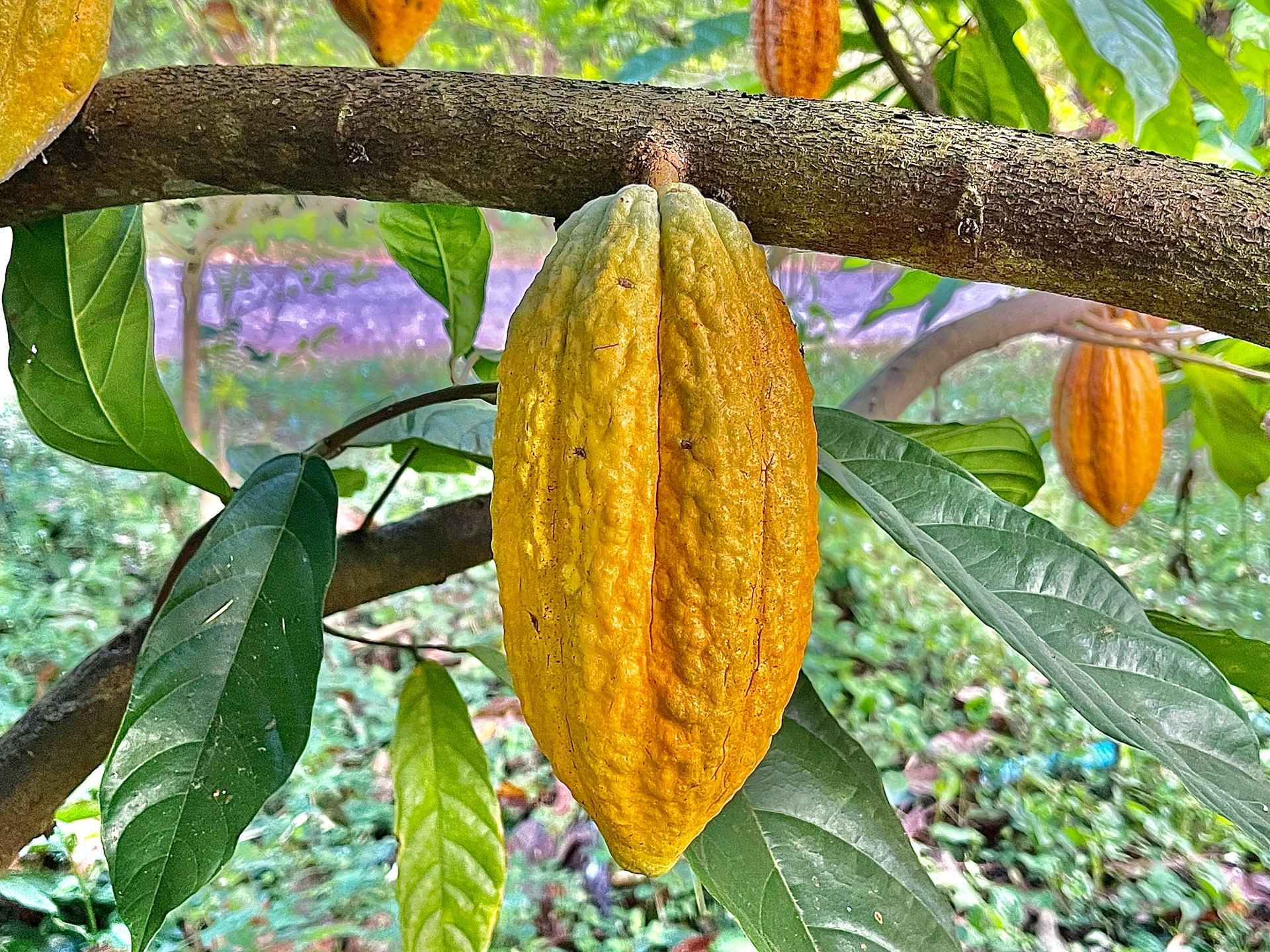
Cacao has travelled a long way from its origins as a sacred plant to its place in modern wellness spaces. Long before it became a sweetened commodity, cacao was revered as a ceremonial ally, used to support reflection, connection, and emotional openness. Today, cacao ceremonies are being rediscovered not as trends, but as intentional practices rooted in presence and meaning.
In contemporary settings such as cacao ceremony london, the focus is not on indulgence, but on slowing down. These gatherings invite people to engage with cacao in its purest form, honouring both its cultural origins and its role as a gentle facilitator of inner awareness.
The origins of ceremonial cacao:
Cacao has been used ceremonially for thousands of years by indigenous cultures in Central and South America. It was regarded as a sacred plant associated with the heart, community, and spiritual connection. Unlike everyday consumption, ceremonial use was intentional, often marking transitions, gatherings, or moments of collective reflection.
While modern ceremonies do not replicate ancient rituals exactly, they draw inspiration from these traditions. Respect for the plant, mindful preparation, and conscious consumption remain central, allowing participants to engage with cacao as more than just a beverage.
From raw bean to ritual:
The journey of cacao begins with the raw bean. Ceremonial-grade cacao is minimally processed, preserving its natural properties and bitter complexity. This preparation process is itself an act of intention, emphasising care, patience, and respect for the source.
In a ceremonial context, cacao is prepared slowly and shared mindfully. The act of drinking becomes a pause rather than a habit, creating space for reflection before any guidance or intention-setting begins.
Why cacao supports inner work:
Cacao ceremonies are often described as heart-opening experiences, not because they force emotional release, but because they create conditions where emotional awareness feels safer and more accessible. The warmth of the drink, combined with a calm environment, helps shift attention inward.
This gentle support allows participants to notice thoughts, feelings, or sensations without pressure. Rather than seeking outcomes, the ceremony encourages observation and presence, which many people find grounding in a fast-paced world.
The structure of a ceremony:
Although each cacao ceremony is unique, most follow a simple and intentional structure. This may include grounding practices, quiet reflection, guided awareness, sound, or moments of shared silence. The emphasis remains on experience rather than instruction.
Participants are not required to believe in any particular framework. Instead, they are invited to engage in a way that feels authentic, allowing the ceremony to meet them where they are.
Cacao in modern London life:
In a city defined by movement and stimulation, cacao ceremonies offer a rare opportunity to pause. They provide a space that feels neither clinical nor performative, but quietly supportive. This accessibility has made cacao ceremonies appealing to people who may not resonate with traditional meditation or spiritual practices.
At Omega Hub, cacao ceremonies are offered as intentional gatherings rather than events. The focus is on creating a grounded environment where reflection can unfold naturally, without expectation or pressure.
Integration beyond the ceremony:
The experience of a cacao ceremony often extends beyond the time spent together. Insights may surface later, or participants may notice subtle shifts in how they relate to themselves and others. Integration is not about analysing the experience, but allowing awareness to gently influence daily life.
For those drawn to conscious living and meaningful connection, cacao ceremonies offer a way to engage with ancient wisdom in a modern, grounded context. The path from bean to bliss is not about transformation, but about remembering how to be present.


