

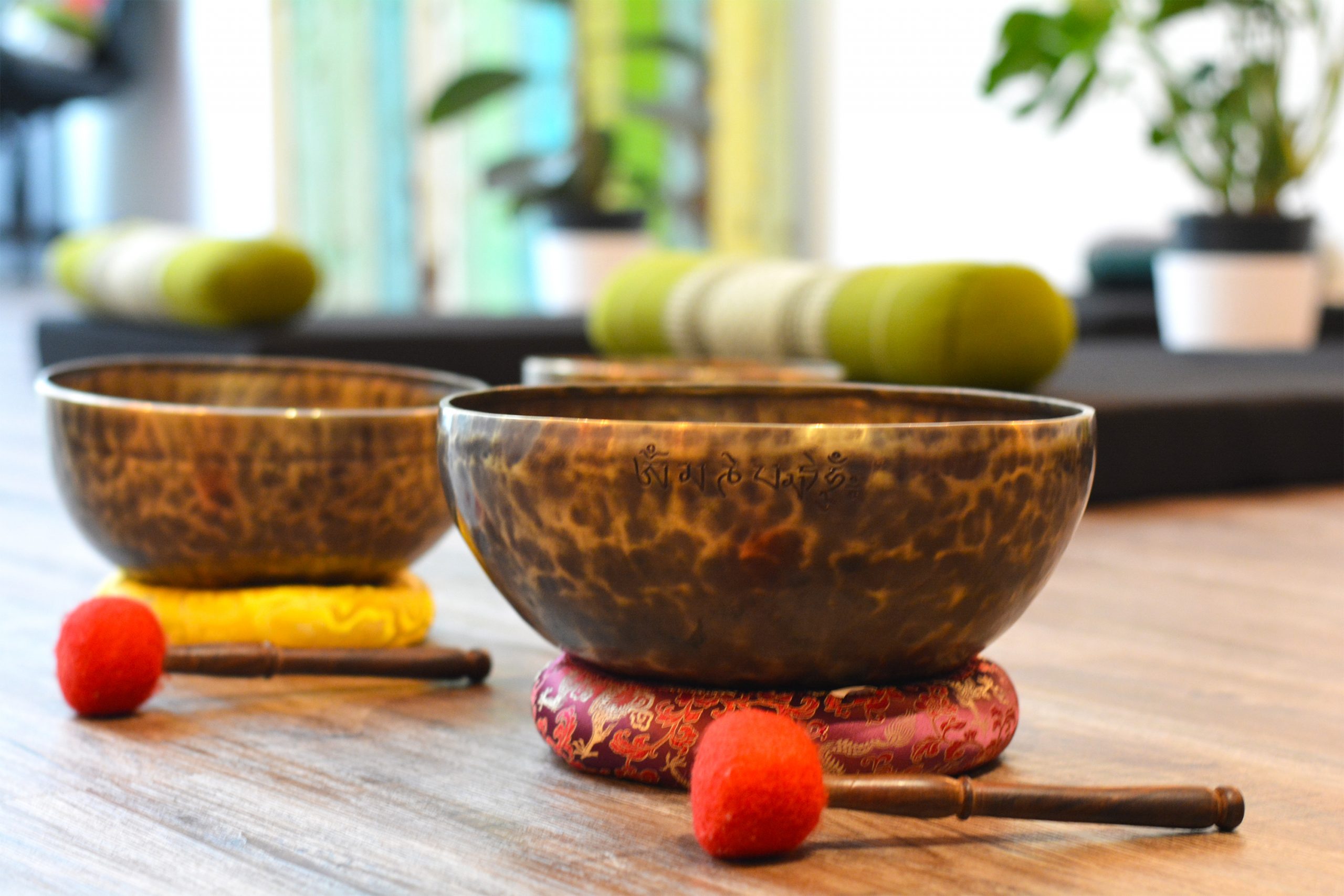
Tibetan singing bowls have been used for centuries as tools for reflection, ritual, and sound-based awareness. In modern wellness spaces, they are most commonly experienced through sound baths, where sustained tones create an immersive environment for deep rest. In the context of a Tibetan singing bowl sound bath experience, these bowls are valued not for spectacle, but for their ability to create a grounded and meditative environment.
Unlike everyday music, the resonance of Tibetan bowls is designed to be felt as much as it is heard. When used in a sound bath setting, the tones support a shift away from mental activity and towards bodily awareness, allowing participants to rest without effort. For some, sound-based practices form part of a wider interest in complementary approaches such as shamanic healing in London, where awareness, symbolism and embodied experience are explored alongside sound.
The origins of Tibetan singing bowls
The exact origins of Tibetan singing bowls are difficult to trace, but they are commonly associated with Himalayan regions and long-standing contemplative traditions. Historically, bowls were used in ceremonial, meditative, and spiritual contexts, often to mark transitions, rituals, or periods of focused awareness.
While modern sound baths do not attempt to replicate ancient practices exactly, they draw inspiration from the principle that sound can support stillness and presence. Today’s sessions honour this lineage while adapting it to contemporary environments and everyday life.
How Tibetan bowls create resonance
Tibetan singing bowls produce rich harmonic tones when struck or circled with a mallet. These tones create layered vibrations that travel through the space and the body. Rather than directing attention outward, the sound gently draws awareness inward.
This resonance can interrupt habitual thought patterns, making space for quieter states of perception. Each person experiences this differently, which is why sound baths are approached as personal and subjective rather than instructional.
The benefits of sound immersion
Many people are drawn to Tibetan singing bowl sound baths because they offer a form of rest that does not require concentration or effort. The immersive nature of the sound encourages the nervous system to settle naturally, supporting relaxation and embodied awareness.
Rather than aiming for specific outcomes, sound baths invite participants to notice subtle shifts in breath, sensation, and attention. Over time, this can support a calmer relationship with stress and mental activity.
What to expect in a session
A Tibetan singing bowl sound bath typically takes place in a group setting. Participants lie down comfortably while the bowls are played in slow, intentional sequences. The environment is kept calm, with minimal guidance once the session begins.
Some people experience deep relaxation, while others notice emotional or reflective responses. There is no right or wrong way to receive the sound. Each session unfolds according to the needs and awareness of the individual.
Sound baths in a modern city
In a fast-paced urban environment, Tibetan singing bowl sound baths offer a pause that feels both accessible and grounding. They do not require belief systems or prior experience, making them suitable for a wide range of people seeking moments of stillness and restoration.
The simplicity of sound-based practices allows participants to engage without effort, creating space for rest and reflection even within busy lifestyles.
Integration beyond the session
The effects of a sound bath often continue after the session ends. Participants may notice a greater sense of calm, clarity, or grounding in the hours or days that follow. Integration happens naturally, without the need to analyse or interpret the experience.
For those drawn to conscious rest and embodied awareness, Tibetan singing bowl sessions form part of a wider landscape of sound-based wellness practices, offering a gentle and meaningful way to reconnect with stillness through sound.


